Puzzle Heist
IOS, Android – Lead UX/UI
2021
The Project:
My role in this project involved acting as a UI/UX consultant tasked with the challenging mission of redesigning the user interface (UI) for a mobile match 3 puzzle game set in a comic book universe. This project aimed to address existing issues with the user experience (UX), primarily stemming from the game’s organic growth, which had led to consistency problems and player pain points.
The Process:
- Analysing the Existing Product: My journey began with a comprehensive analysis of the existing product, shedding light on UX issues that had arisen due to the game’s linear design evolution. This analysis was instrumental in pinpointing areas that needed improvement.

- Proposing a Modern UX Solution: Building on the insights gathered, I proposed a contemporary UX solution. This solution involved introducing layers and panels to the game’s interface, facilitating a circular UX experience that eliminated dead ends. This approach aimed to enhance user engagement and overall satisfaction.
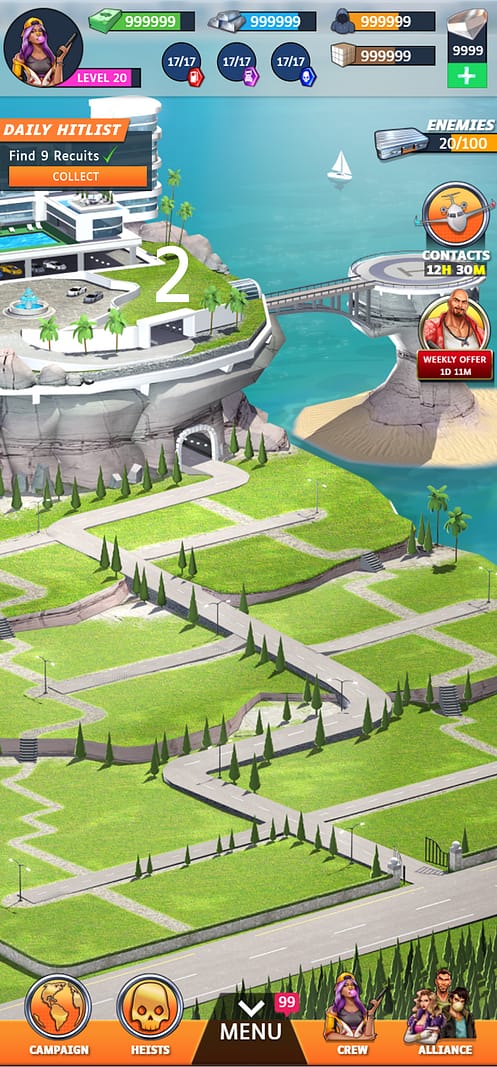
- Revamping the Player’s Home Area: A crucial part of the redesign involved overhauling the player’s home area. This revamp not only addressed existing issues but also introduced the flexibility needed to accommodate live events and future expansions. This extensible solution was designed with the long-term player experience in mind.
Final Thoughts:
- Desire for a Fresh Start: One of the lingering desires in this project was the wish to redesign the product from the ground up. Such an approach could have offered even greater opportunities to increase user engagement, streamline the UX, and create a more cohesive experience. However, this aspiration was constrained by the project’s scope and resources.
- Unrealized Potential: Unfortunately, despite the efforts put into improving the game’s UX and interface, the product never had the opportunity to reach the market. The project was halted due to a studio buyout, highlighting the unpredictable nature of the gaming industry and how external factors can impact the fate of a project.
In conclusion, this project underscored the importance of addressing UX issues and maintaining consistency in a game’s design, especially as it grows organically over time. While the desire for a complete redesign persisted, the project’s unforeseen conclusion serves as a reminder of the dynamic nature of the gaming industry and the need for adaptability in response to external changes.
OTHER PROJECTS